The First Sketch is Not the First Step
Architects often talk about the design process as if it begins with a sketch. Maybe that’s a concept diagram, or a massing study. Try to visualise that though, is it a floating diagram surrounded by white space? Or is it rooted in a physical site? I know which concept I'd find more believable. The one with context, right?
That's because in reality many design decisions are dictated before architects ever put pen to paper. They happen during the brief and site analysis stages. This involves gathering information, identifying constraints, and understanding the opportunities hidden within a site. The quality of this work has a direct impact on everything that follows.
Strong design concepts don’t happen in a vacuum but rely on a solid understanding of both the site and what your client wants you to do with it.
Start With The Brief
Before you even begin analysing a site, it's worth asking a simple question: What is the client actually trying to achieve?
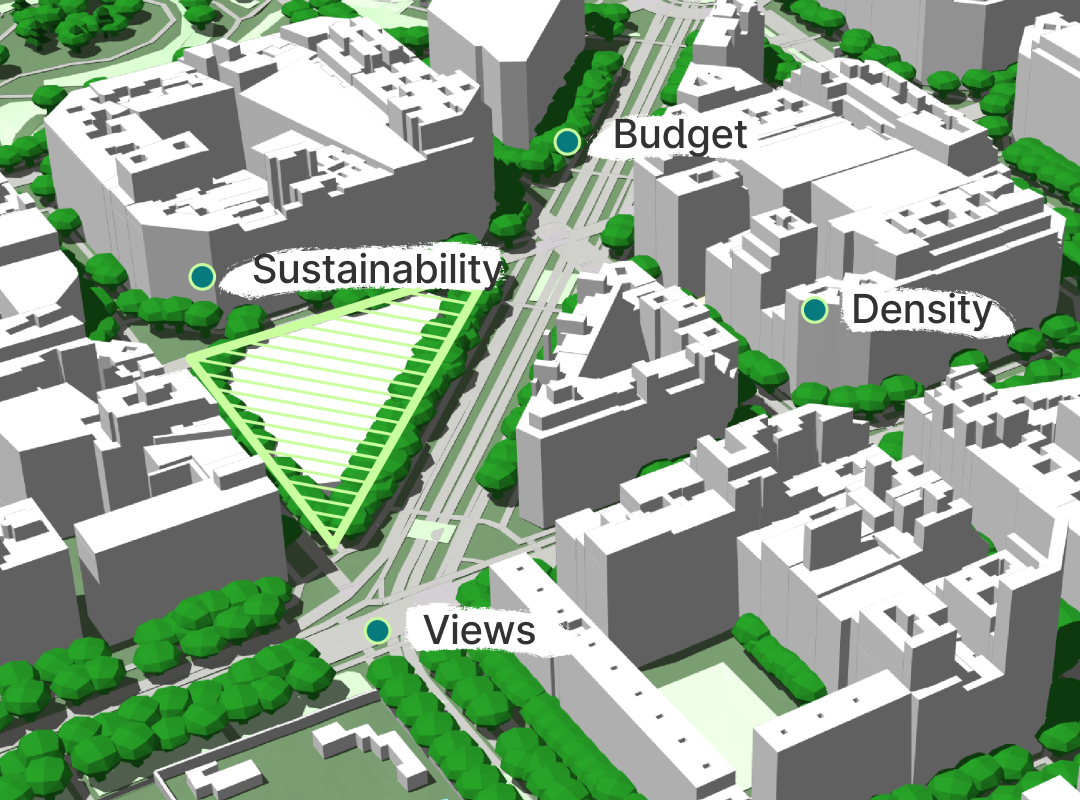
Different projects require different forms of analysis. A housing development may prioritise density and planning constraints while a school may focus on access and circulation and a residential project may be driven by views, sunlight, or privacy.
The brief helps determine which aspects of the site deserve the most attention.
Without that clarity, it is easy to waste time collecting information without understanding what is truly relevant. A clear understanding of the brief is the best way to begin the design process with intent.
2. Understand What Already Exists
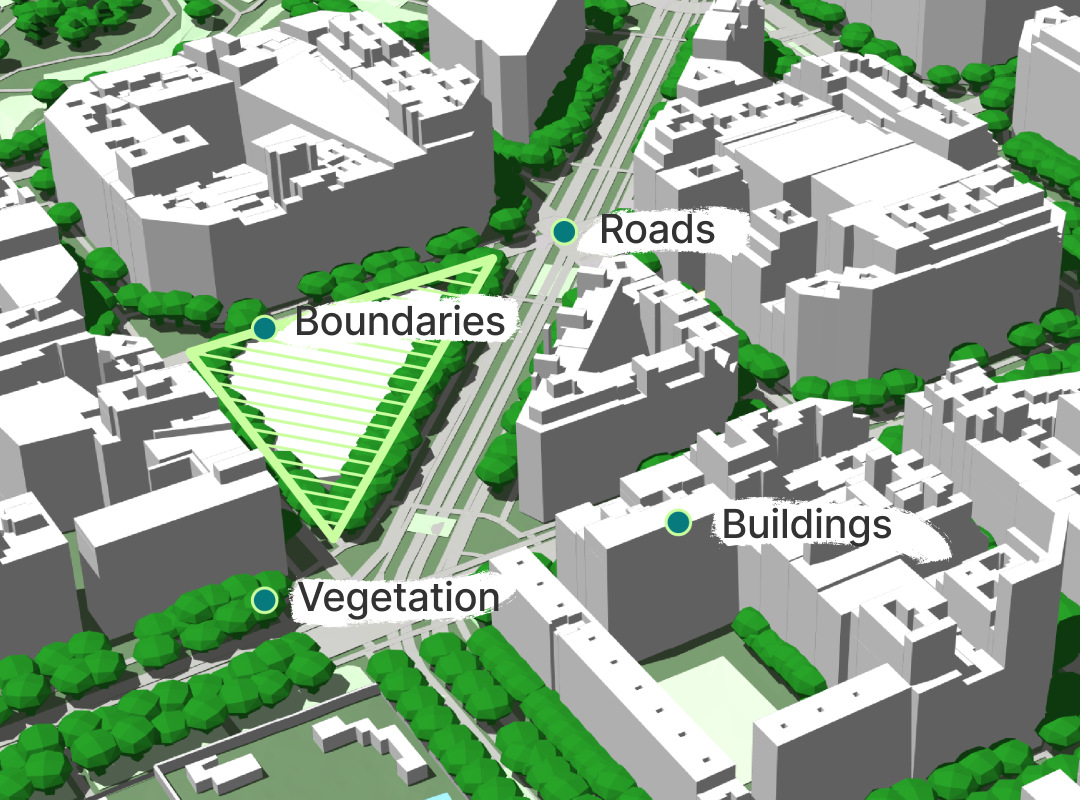
Before you can decide what to add to a site, you need to understand what is already there. Every project begins within an existing context. Your building won’t exist in a vacuum so it’s important that your design doesn’t pretend it does. Terrain, neighbouring buildings, roads, vegetation, property boundaries, and infrastructure all influence the design process.
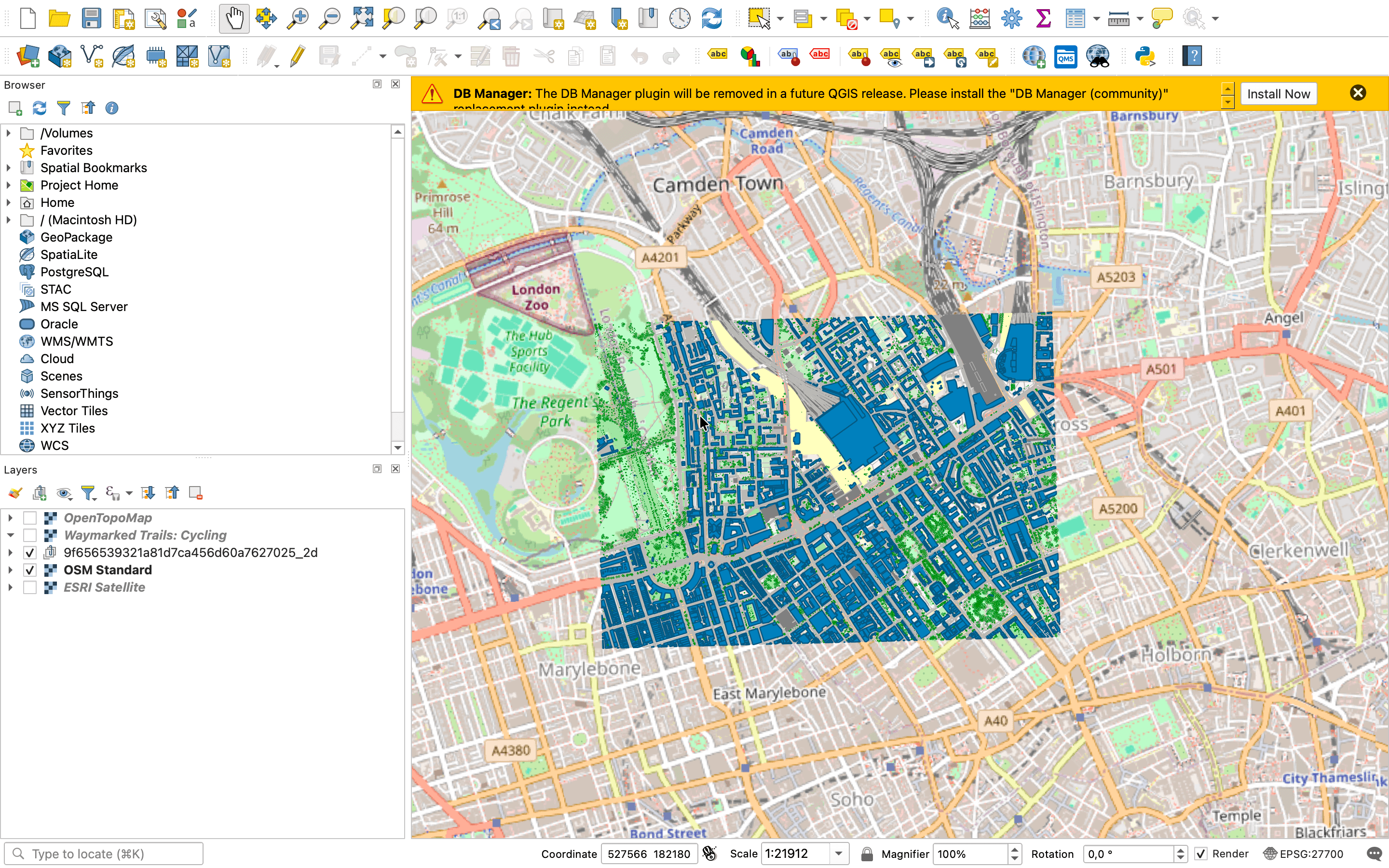
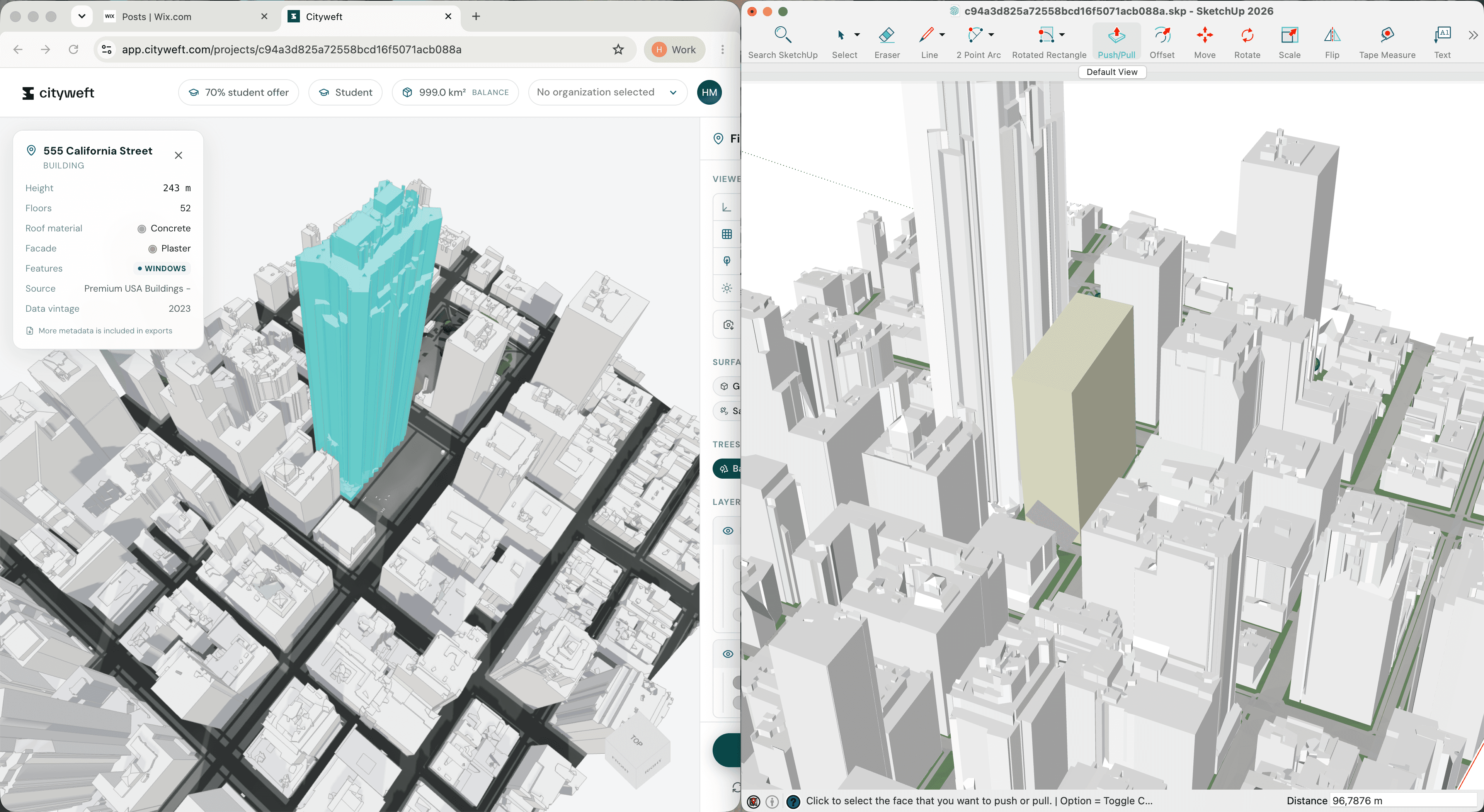
For many architects, this means building a digital model of the site before beginning any design work. The goal is not simply to recreate reality. It is to create a working understanding of the place in which the project will exist. Working with context is a valuable visual reminder of how your design sits within its surroundings and relates to the surrounding urban grain.
The earlier this context is available, the earlier meaningful design decisions can begin.
3. Identify The Constraints
Good design is often the result of working cleverly within limitations. The best designers are able to see limitations as opportunities and use them to their advantage. Things like planning regulations, height restrictions, setbacks, rights of way, heritage requirements, and protected features all shape what can be built.
Understanding these constraints early helps avoid developing concepts that later prove impossible to deliver. Rather than limiting creativity, constraints often provide the framework that guides it.
It can help to map out these constraints and identify visual patterns that might inform how your design fits into the wider rhythm of the site.
4. Read The Environment
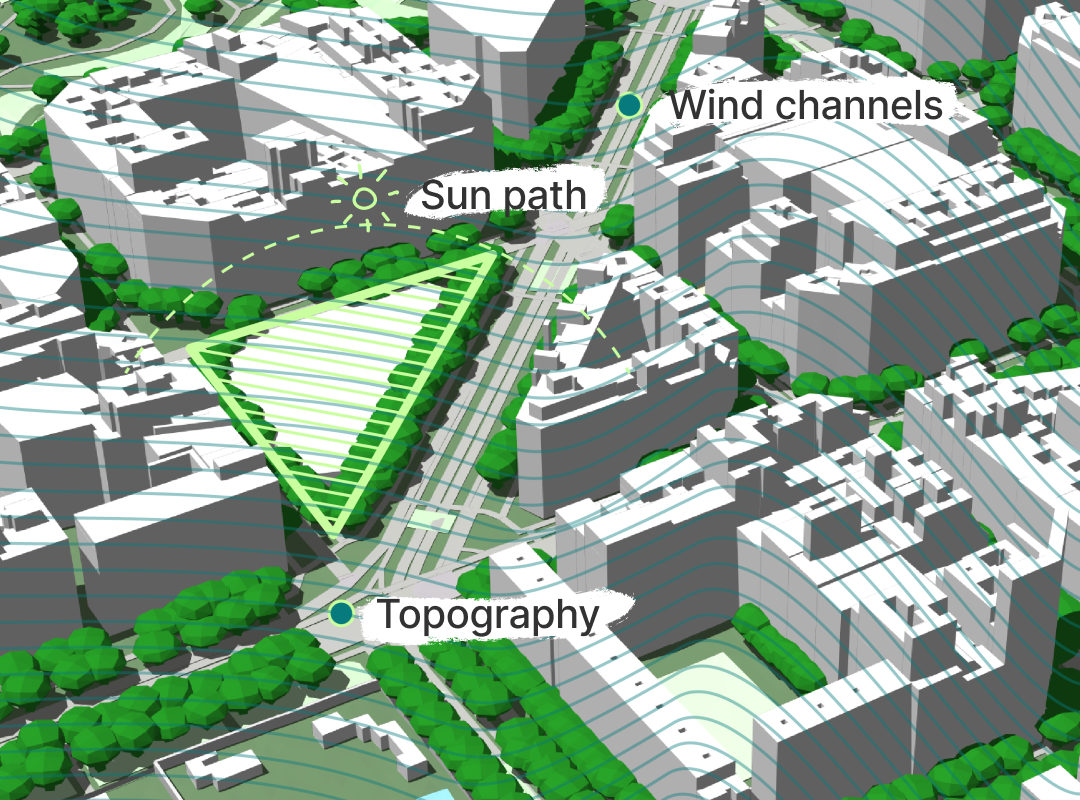
The earliest decisions about building form and orientation should be informed by the conditions of the site itself. Each site has unique environmental conditions that influence design. Sunlight, shadow, prevailing winds, topography, drainage patterns, and seasonal changes all affect how buildings perform and how people experience them. Your design could be beautiful but it won’t be for long if the raw concrete parapets can’t stand up to the heavy rainfall your site gets every winter, or if users are smacked in the face by gale force winds every time they step out the front door.
These factors can influence everything from building orientation to facade design and public space strategy. Layering these environmental considerations with the physical constraints identified in step 3 creates a robust picture of the site and should begin to inform a starting point for your building mass. Understanding this behaviour is a critical part of the design process.
5. Study The Surrounding Context
Once again, your building does not exist in a vacuum. Maybe the biggest indicator that an architect has ignored thorough site analysis is a building that looks nothing like anything else on site. Maybe it disrupts street patterns, existing hierarchy, material character, or movement. Of course this could be intentional, but more often than not, it’s an ill-conceived concept based on poor data.
Understanding what surrounds a site helps architects identify both opportunities and responsibilities. In some cases, the goal may be to reinforce an existing character. In others, it may be to introduce something entirely new. But the most important thing is to know where you’re starting from, and those decisions should be informed by an understanding of what is already there.
6. Sketch How People Move
The success of a project is often tied to movement.
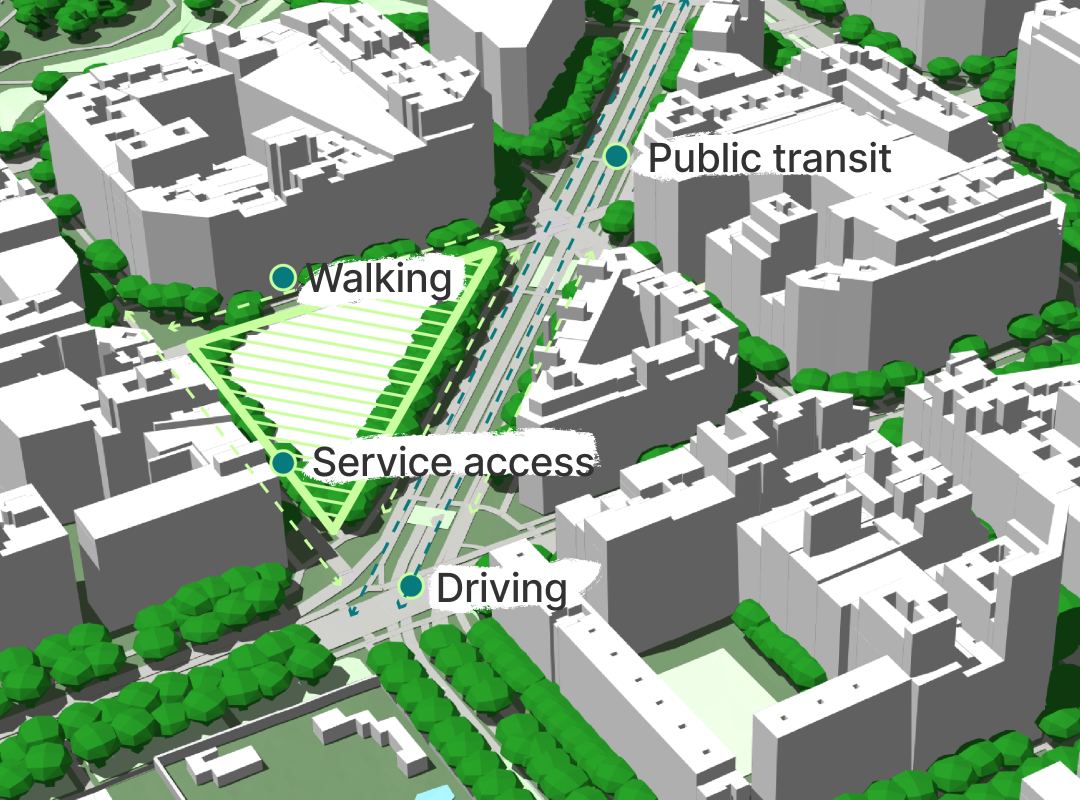
How do people arrive? How do they leave? Where are the key pedestrian routes? What public transport connections exist? How do services and deliveries access the site?
Understanding movement patterns helps reveal how a project can connect to its surroundings and support the people who use it.
Layering this final step onto the analysis you've done up to this point sets you up well to design a building that really speaks to its site and the people who will use it or walk by.
The Site Before Design
The first sketch is often seen as the beginning of the design process.
In reality, it is usually the result of a series of decisions that have already been made during site analysis. Understanding the brief, building site context, identifying constraints, studying environmental conditions, analysing movement, and uncovering opportunities all happen before design takes shape.
The better that understanding, the stronger the foundation for every decision that follows.
Because the first sketch is not the first step.